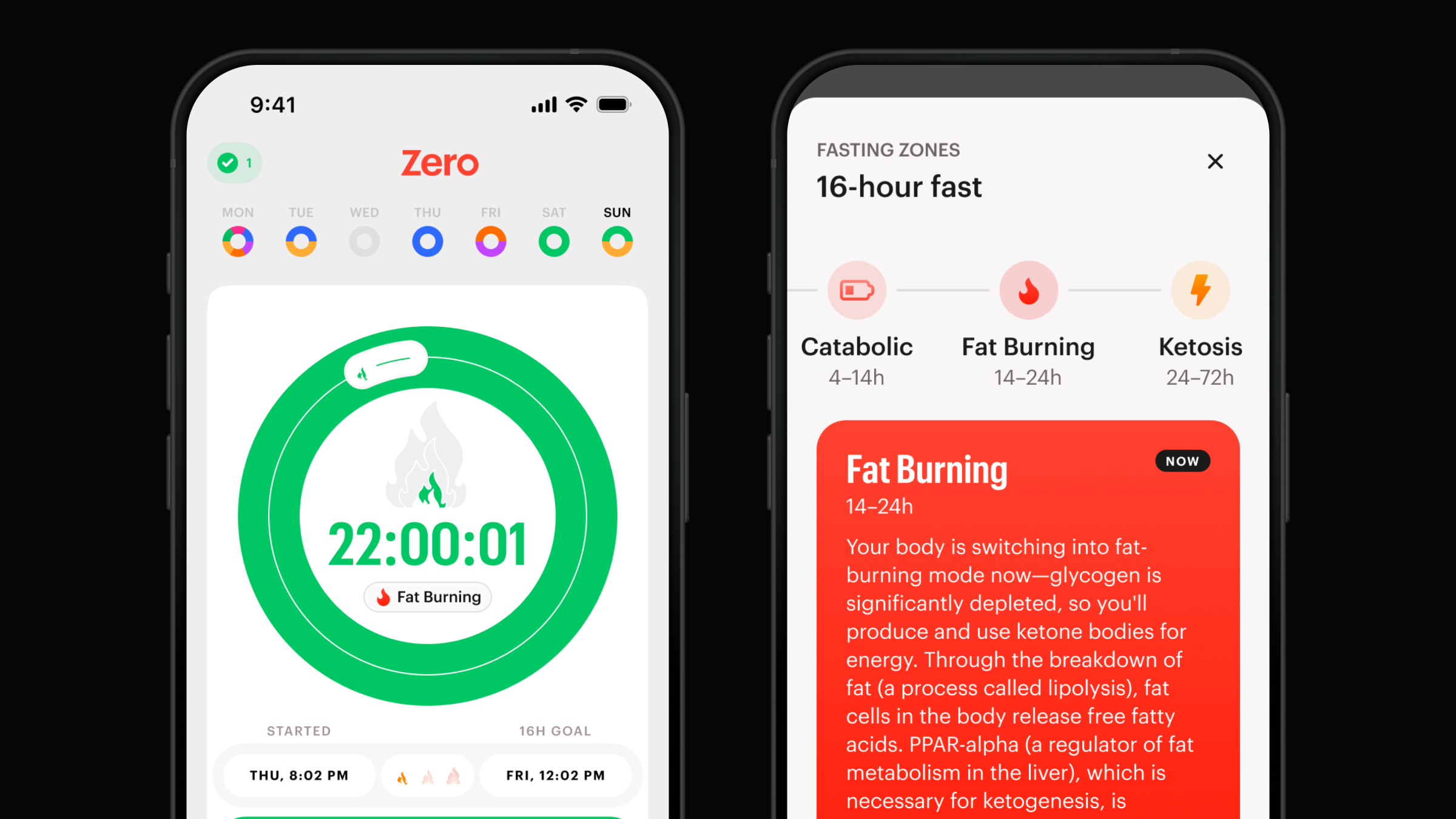
For a long time, many people have shared a similar frustration. They’ve built a consistent fasting practice. They’re thoughtful about food. They’re not overeating. And yet, something still feels off. Energy dips more than expected. Hunger feels louder than it should. Progress feels harder to sustain than the effort seems to warrant.
If that sounds familiar, the newly released Dietary Guidelines may feel surprisingly validating.
A Long-Overdue Shift in Protein
Last week (coincidentally, just as we were launching the new Zero Plus), the U.S. government released updated Dietary Guidelines, including a significant change to the Recommended Dietary Allowance (RDA) for protein. The new recommendation increased from 0.8 grams of protein per kilogram of body weight (0.36 g/lb) per day to 1.2–1.6 grams per kilogram (0.5–0.7 g/lb) per day.
On paper, this might look like a technical update. In reality, it reflects a broader shift in how nutrition guidance defines “enough.” As we’ve stated before, the previous RDA for protein was designed to simply prevent deficiency — not to support metabolic health, preserve muscle, or help people manage their appetite. Over time, that minimum amount quietly became the default recommendation.
How Much Protein Is Recommended Now?
The difference between the old and new recommendations is significant.
Let’s take someone who weighs 150 pounds as an example. Under the previous RDA, the target for this person was only about 55 grams of protein per day. Under the updated RDA, the range jumps to 82–109 grams of protein per day.
That is a meaningful gap, and it explains a lot. Despite people feeling like they were eating and fasting correctly, they may not have been getting enough protein. This can partly explain hunger, food noise, cravings, muscle loss, and metabolic health problems.
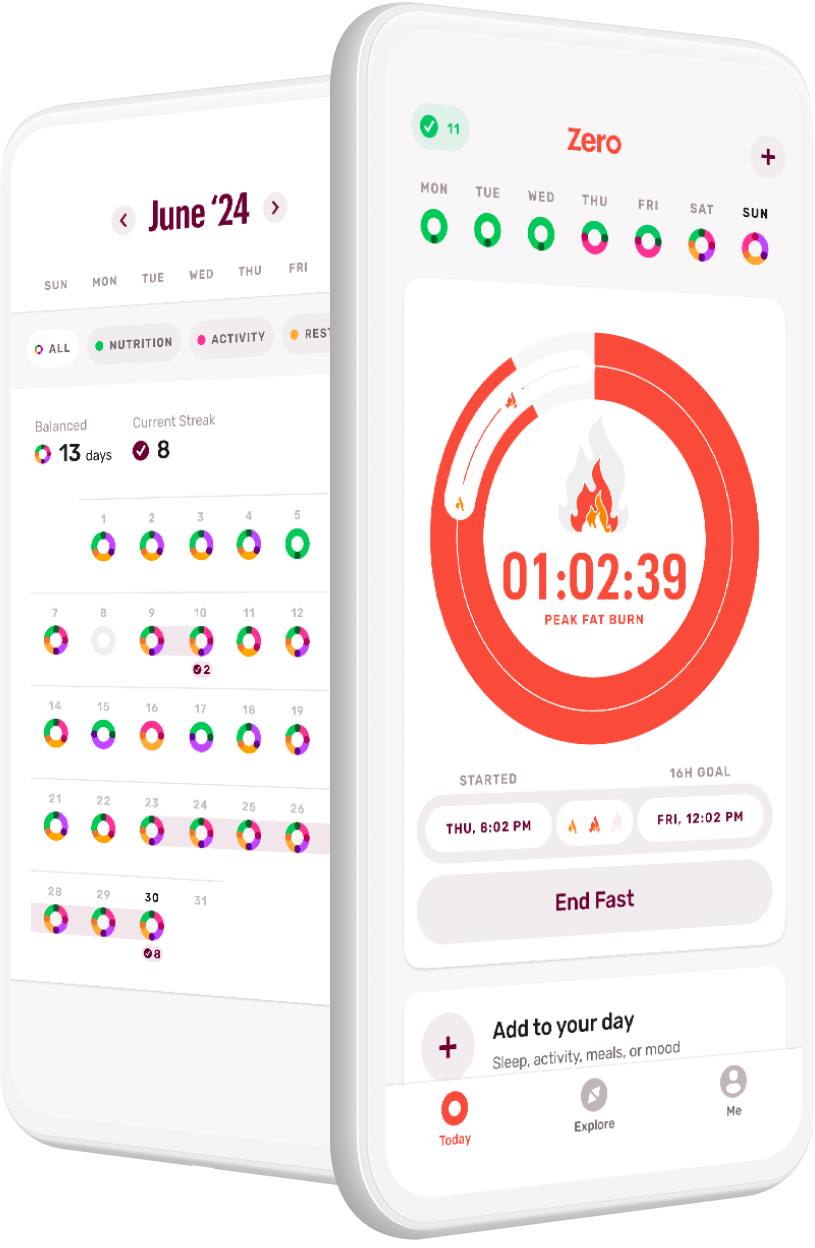
This is where having clear data and guidance starts to matter. Even before the new guidelines, we at Zero recognized the gap. The latest release of Zero Plus was designed in response, specifically to help people master their protein goals during their eating window. You can now see how much protein you’re actually getting through protein tracking, a personalized Protein Score, and broader nutritional insights alongside fasting. As protein targets rise, seeing whether you’re meeting your needs every day — or needing a boost — makes it much easier to make healthy adjustments in real time.

Why Many Experts Still Aim Higher
It’s important to note that while this updated RDA for protein is directionally positive, it is still not necessarily considered optimal by many experts.
The RDA is designed to reflect a population-wide minimum that works for most people. But in clinical practice, researchers and physicians often see better outcomes with higher protein intake, particularly for people who are fasting, aging, active, or intentionally losing weight.
Many experts — including Zero’s own Chief Medical Officer, Dr. Naomi — recommend protein targets in the higher range of 1.5–2.2 grams per kilogram (or 0.7–1.0 g/lb) of body weight per day. That range better supports muscle preservation, metabolic health, and appetite regulation, especially when total calorie intake is lower or eating windows are shorter.
In other words, the new RDA represents real progress, but for many people, it’s still a starting point rather than the final answer.
This Dietary Update Signals a Significant Shift
What’s notable about the new dietary guidelines isn’t just the emphasis on protein. It’s what the full set of changes suggests about the direction of nutrition guidance more broadly.
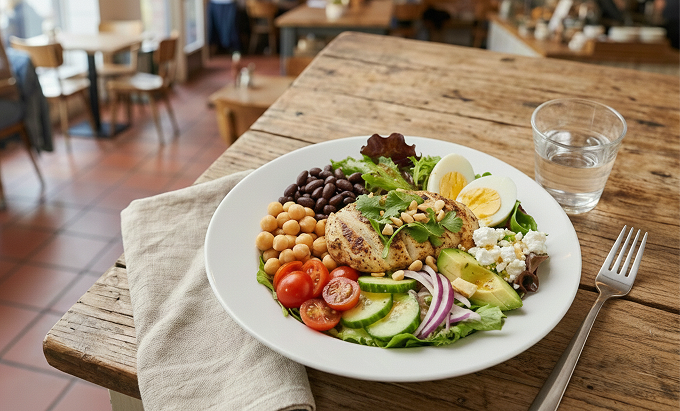
The updated guidelines place a stronger emphasis on whole, minimally processed foods, while encouraging people to move away from refined grains and packaged foods. They also highlight the role of healthy fats as part of a balanced diet, including sources like poultry, eggs, full-fat dairy, and omega-3–rich foods. In addition, the guidelines state that “no amount of added sugars or non-nutritive sweeteners is recommended,” a clear departure from previous guidance that focused on simply limiting added sugars. Together, these changes mark a move away from highly processed, grain-heavy diets and toward whole food choices that better support metabolic health and function.
More broadly, this marks a decisive shift in how nutrition is being framed at a population level. In response to widespread metabolic disease, the guidelines move beyond deficiency prevention and instead recognize food quality and nutrient adequacy as central to long-term health.
New Guidance Meets Reality
The RDA for protein didn’t change because trends changed. And the science didn’t suddenly shift either. The public guidance did. It changed because the evidence revealed that the old framework wasn’t sufficient for the goals people actually have today: maintaining muscle, supporting metabolism, and aging well.
The guidelines are finally catching up to the reality of how people should eat, fast, and function in the real world. And Zero is here to help you meet them.

- The New US Dietary Guidelines Are Finally Catching Up - January 14, 2026